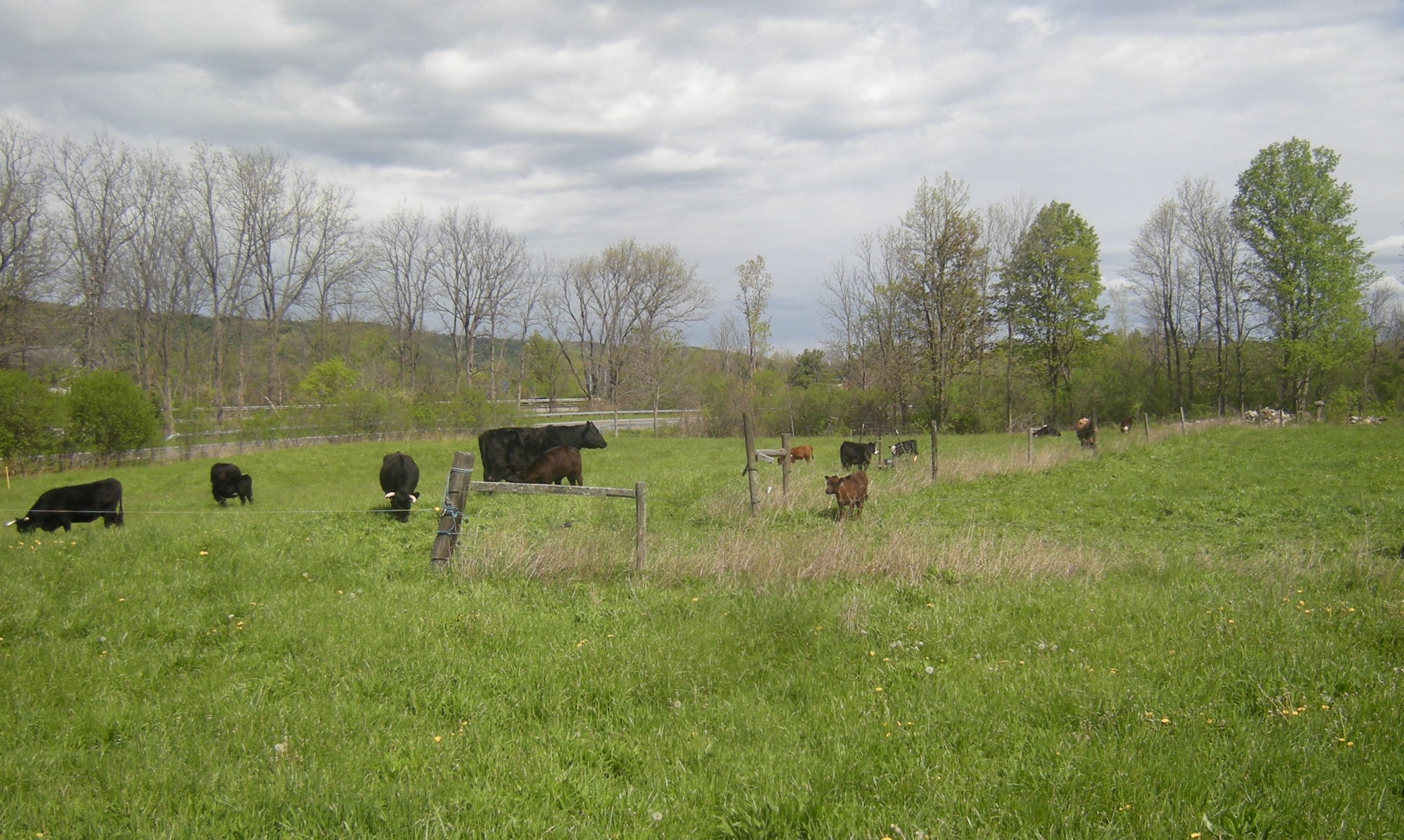
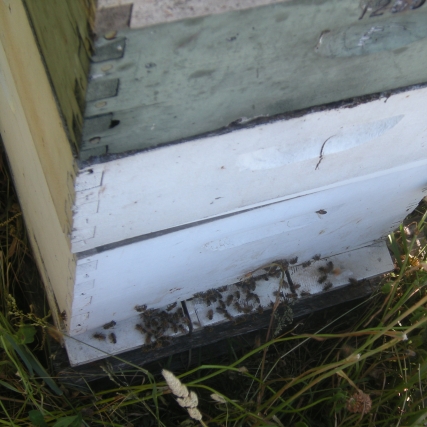
The bees are going in and out of the hive, supporting their colony and making honey that we will harvest.
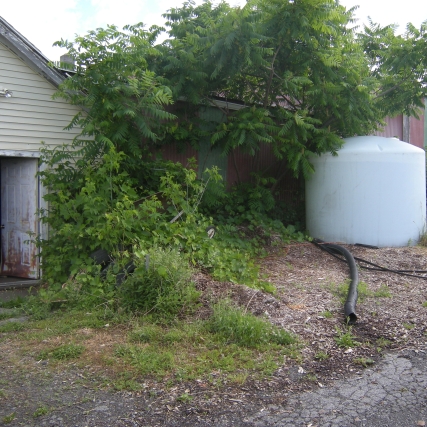
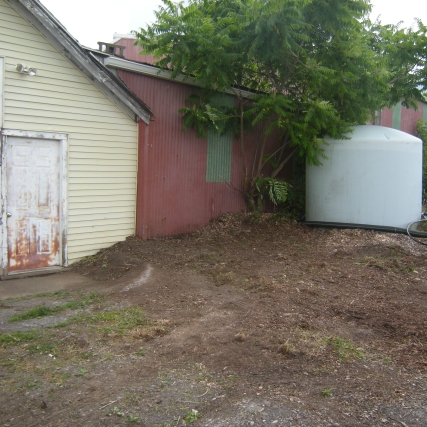
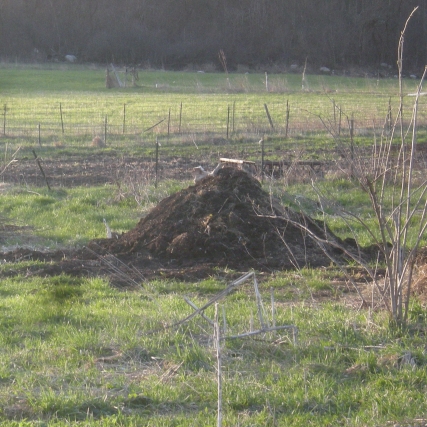
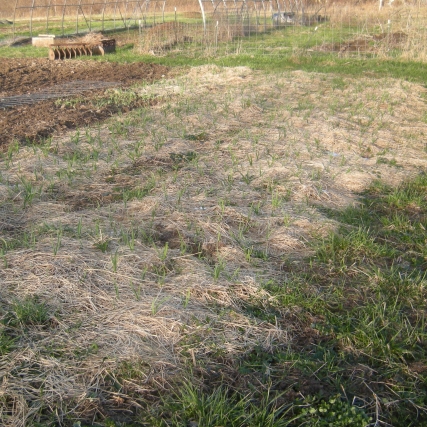
The Bros recently reclaimed a junkie area:
Junkie area – before
Junkie area – after
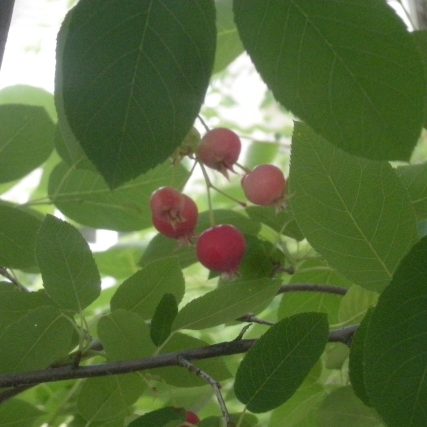
Remember the serviceberry bush? The fruit came and it was delicious! The berries are blueberry size, cherry consistency, with a serviceberry flavor, obviously! It is sort of apricot-ish. We had enough for us and the birds to all have a taste.
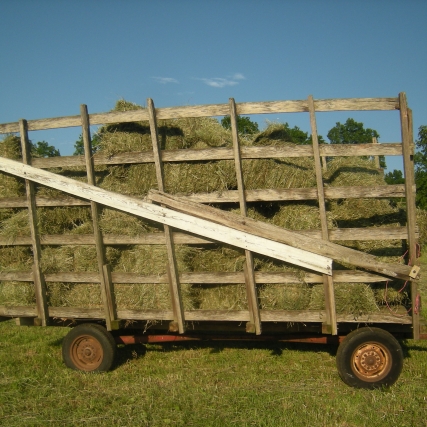
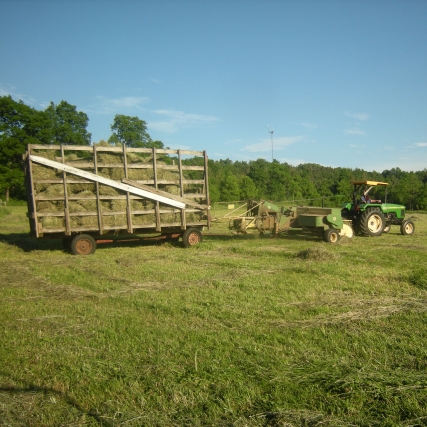
The Bros have been doing this recently. What does that literally look like? First, you look for a 3-4 day stretch of dry, warm, sunny, windy weather.
Dry – the less rain you have falling the better your hay will cure. You can have some rain at certain points in the process and still get decent hay. No rain is best.
The warmer the weather is the faster the hay will dry.
Sun helps the hay to dry.
Wind helps to pull the moisture out and to dry the hay.
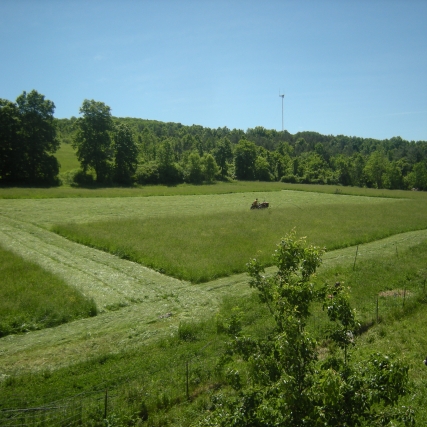
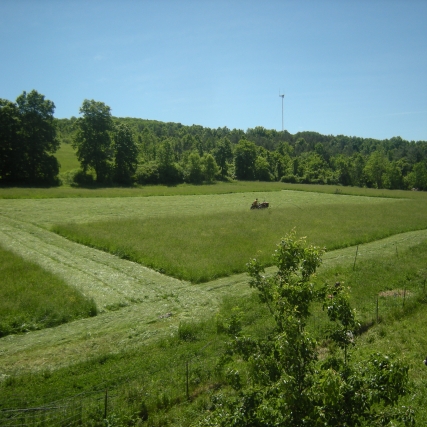
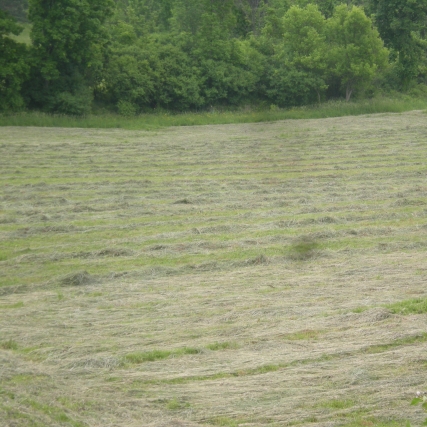
Next, fresh grasses (orchardgrass, timothy) and legumes (alfalfa, clover) of the hay field are cut usually with a sicklebar mower or a disk or haybine after the dew has dried. We use a sicklebar mower attached to an Allis Chalmers B. The grass is laid out and can dry. [A disk or haybine would put it more in a row. It might also have a crimper on it. Crimping cracks the stems so that they can dry faster. After a day, it would be tedded, which is spreading and fluffing it, to help it dry out. We don’t have a crimper or a tedder, so it can take longer for our hay to dry out.]
Cutting hay
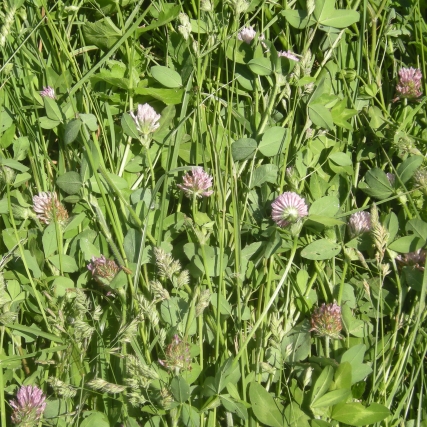
Close up of cut clover
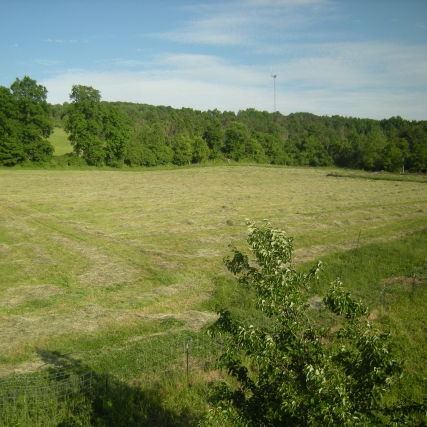
Cut field
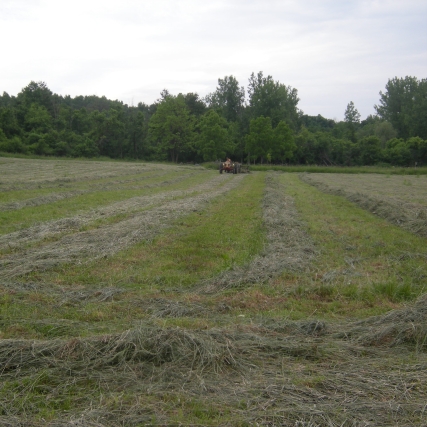
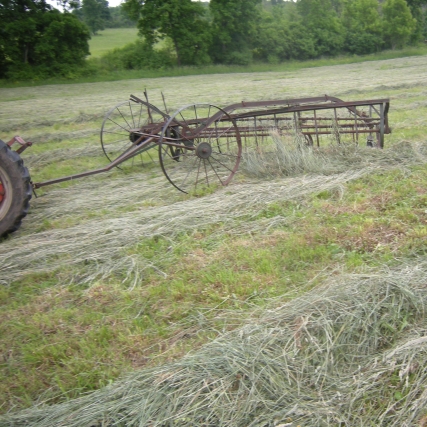
After a day or two of drying, we use a rake
attached to the John Deere Model M to turn the grasses so that the
underside gets dry. We usually turn it after the dew has dried
on the top. Then we rake the hay into rows so that the hay is
all together for the baler to bale.
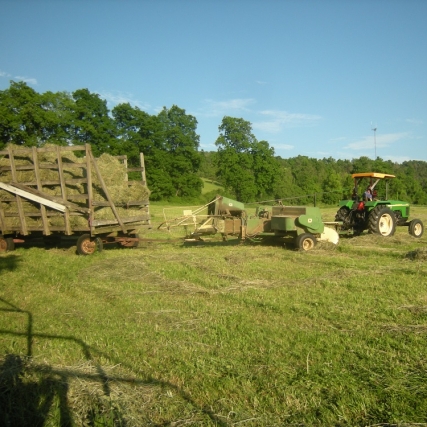
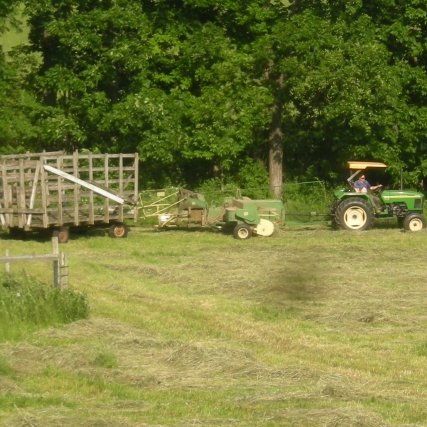
The baler, driven this year by a farmer
friend/neighbor, comes through, picks up the hay, cuts
it and packs it into slabs, strings
them, and throws the resulting bale out the back into the hay wagon.
Finally we pull the wagon into the barn and stack the hay from the
wagon onto pallets.
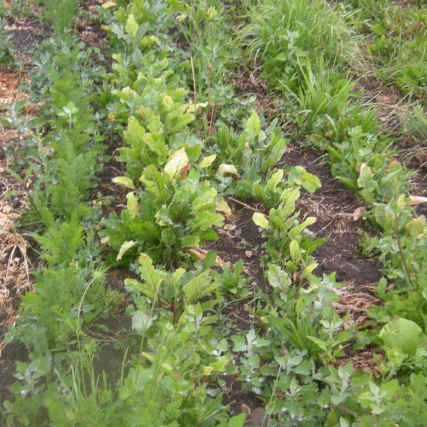
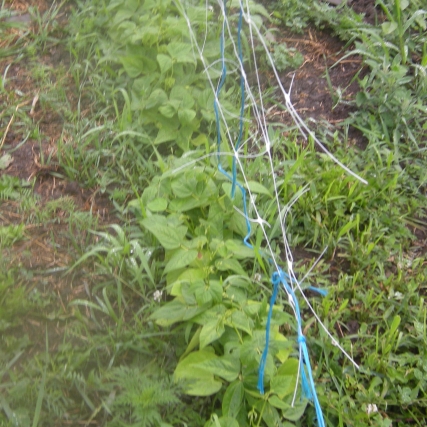
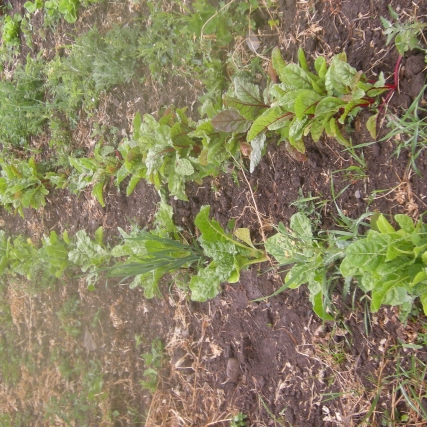
We’ve planned our gardens and ordered our seeds. We watch the weather and the warmth of the ground and have planted the cold weather crops – potatoes, garlic, onions, pac choi, beets, carrots, Swiss chard, ….and have started the plants we want to transplant – eggplant, tomatoes, and peppers. We have watched the pastures and moved chickens, cows, and pigs out of the barn and into the fresh air and sunshine. Everything is growing as it can given the cold spring.
How can you get our items?
We use a weekly system in June – October.
You subscribe to our Currently Available email list and receive a weekly email about what we have available that week.
You let me know what you would like to purchase that week from veggies and/or meats.
You let me know where you want to pick them up –
Fayetteville Farmers market (June-October),
Westcott Community Center (July-October),
the farm (all the time).
If you are reluctant to be around the markets, we can do curbside pick up at all locations.
You pay for what you want in the quantity that you would like, based on what we have available.
So make us part of your summer plans! Sign up now!
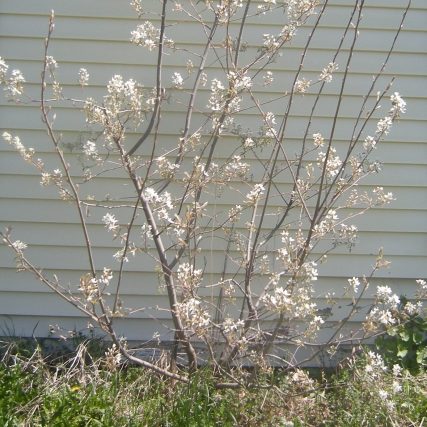
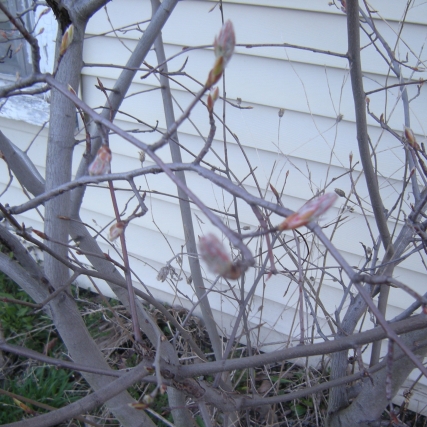
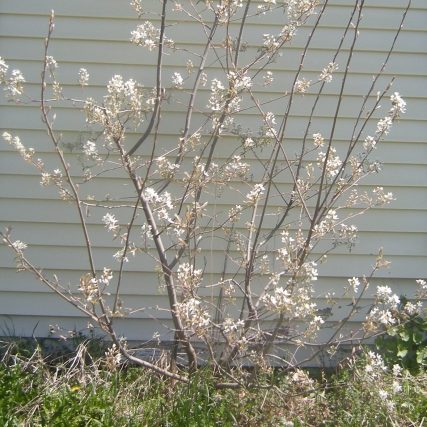
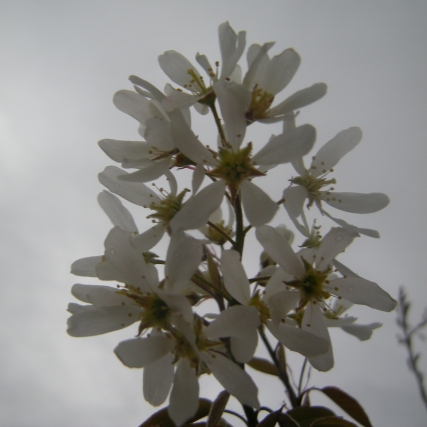
The Serviceberry Shrub (also called the Juneberry) bloomed around May 3 this year. Folklore has it that once it blooms the ground is warm enough for the cold weather crops – potatoes, peas, cabbage, broccoli, Swiss chard, tatsoi, pac choi, winter lettuces, beets, carrots – those sorts of things. Once it stops blooming the ground is warm enough for the warm weather crops – beans, basil, squash, corn. Here we see it in April, not blooming, and then in May blooming. This is late, but we work with what we have. Happy planting!
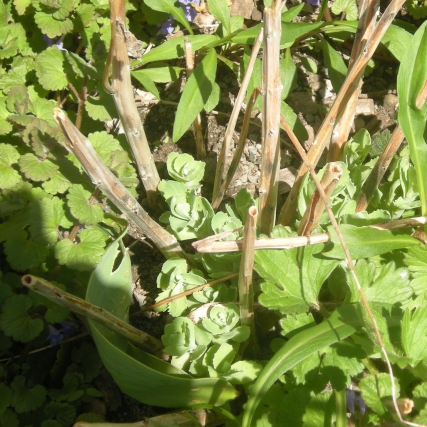
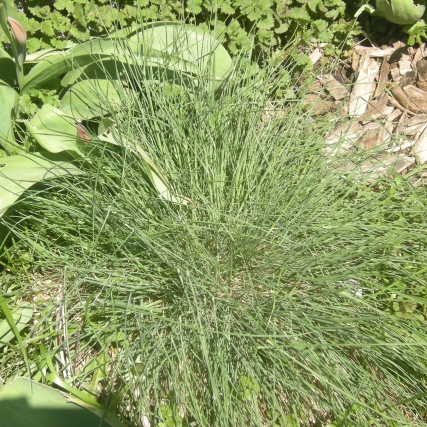
One of my little projects is adding perennials to my flower bed, specifically perennials that have a name similar to children. So far we have Black-eyed Susans, Sedum Autumn Joy, Elijah Fescue, Timothy grass, and Joe Pye-weed. Something to tend, something to smile at, something to enjoy.
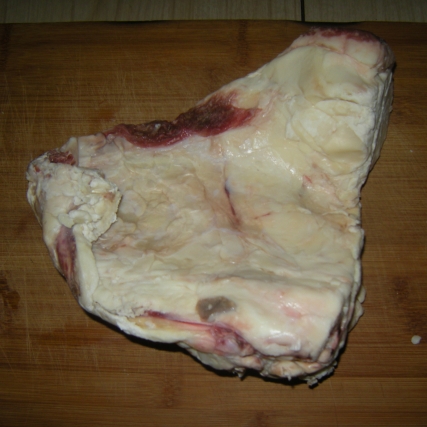
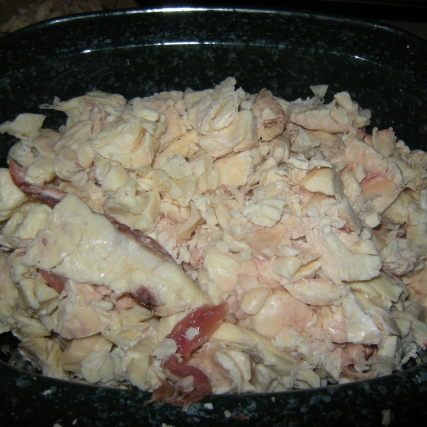
Recently I processed some beef suet to make a useable fat. I took this chunk of fat, …
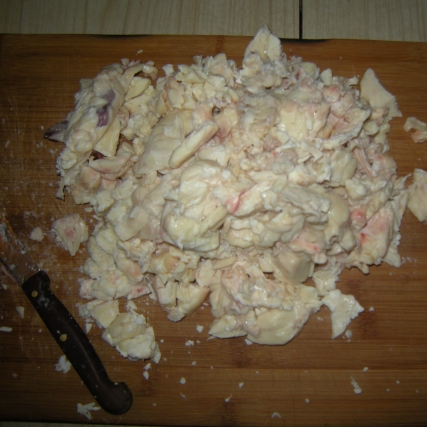
…let it thaw for about an hour, then chunked it up into small pieces. I did this with 2 pieces of fat…
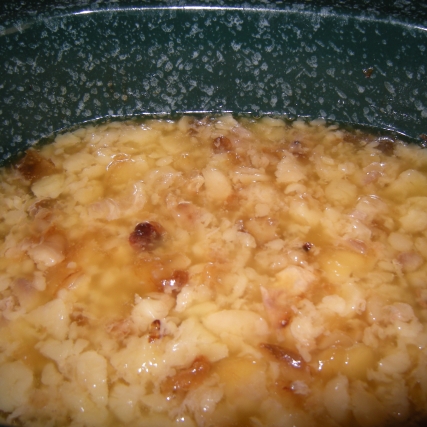
…filling my 5-6 qt. crockpot about 3/4 full. I put a little bit of water in the bottom, covered it and set it to high heat for 2 hours. Once it was bubbling, I turned it to low and let it cook for 18 hours, stirring occasionally.
After 12-18 hours it cooked down. I turned it off and let it cool for about 30 minutes. Then I put a metal colander in a big bowl…
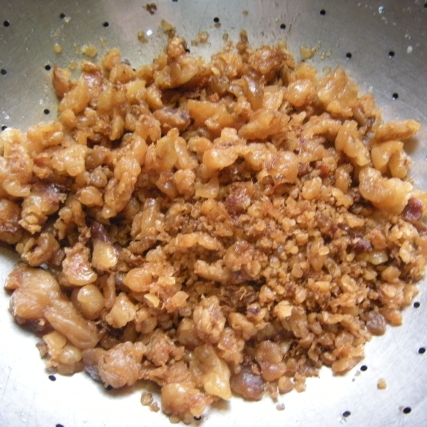
…and poured it all in, separating the cracklings…
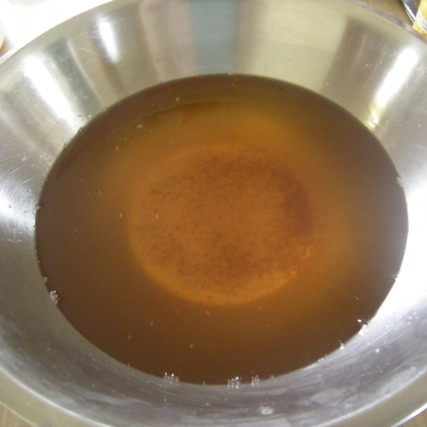
…from the fat.
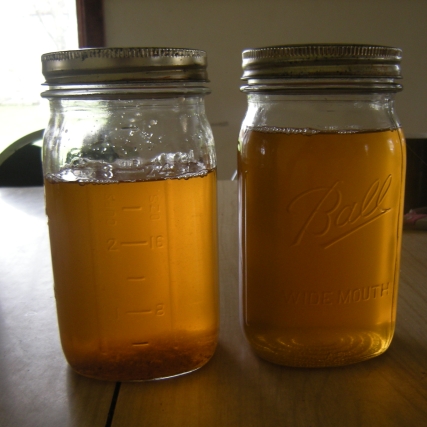
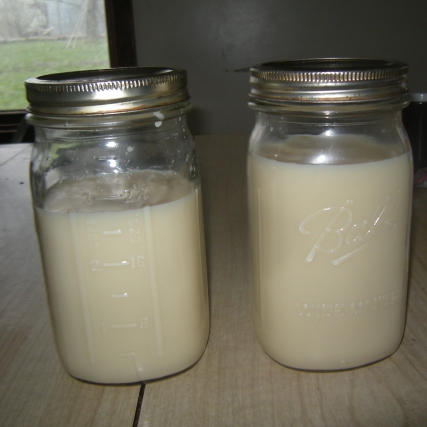
I carefully poured the hot fat into jars, put a lid on the jar, tightening it down, and let it cool.
Once the fat cooled, I took the rings off and stored it in the pantry.
After the cracklings cooled, we nibbled at them. I set them aside in a separate container that we could nibble from.
Notes: This is a very hot fat. BE CAREFUL!
Everything ends up with a layer of fat – the crockpot, the colander, the bowl, the spoons. To save the sink and pipes, wipe all the items off with a paper towel while still warm and throw the paper towels away. Otherwise you could end up with a clogged drain from the congealed fat.
Uses – you can use this in a fry pan OR to saute veggies, eggs, or meat OR to deep fry food. It is a fat that can be used in place of other fats. Suet will have a beefy taste. Lard will have a pork flavor.
The process would be similar for rendering lard. The unrendered pork lard bags are larger and so will probably result in more jars of fat.
This can be done in the oven on low heat. Put in a pan, cover, bake at 350 for 30 min to get it boiling, then reduce heat to 225-250, cooking for 12 hours, stirring occasionally.
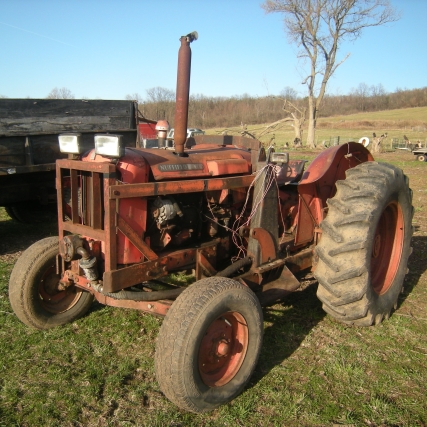
Nuffield Tractor, vintage 1960s, manufactured in England, diesel, new to us
Serviceberry or Juneberry can be used as a planting indicator. It blooms before it leafs out. Its bloom indicates that the soil is warm enough for cool weather crops. And when its blooms are done, that indicates that the soil is warm enough for warm weather crops. It should bloom soon!
We have been mucking out pens to make our compost for the 2021 season.
Chicks are mostly feathered out and will head outdoors in the next week.
Goats enjoy their morning hay.
Bucks like fresh air and sunshine!
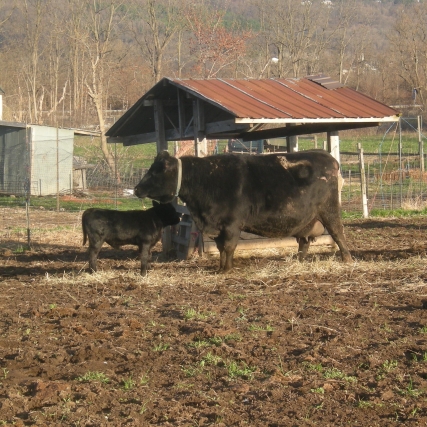
Malegra and her calf enjoy the morning sunshine.
Last year’s mucking out has mostly been distributed to various garden beds.
Saute the onion, garlic, celery in olive oil in a large sauce pan until the veggies are soft.
Add the ground goat, salt, pepper and oregano. Saute until the meat browns, 5-7 minutes.
Add the spinach; cover and simmer for 10 minutes.
Stir in the feta cheese, sauteing another 3-5 minutes or until the cheese is fully incorporated and slightly melted.
Serve in pitas or as sandwiches.
Notes
Any 2 cup combination of sauteed veggies can be used for the onions, celery, and garlic – peppers and grated carrots would be other things to include.I tend to cook my meat first so that I know it is no longer pink and then add and saute my veggies second.Any cooking green will work in place of spinach – tatsoi, pac choi, Swiss chard, spinach, arugula.Any cheese will work in place of the feta.And if ground goat meat isn’t to your liking, ground pork, ground beef, or sausage will also work. The key parts are a ground meat, a cooking green, a cheese, sauteed veggies and oregano.